
by Michael McCarthy
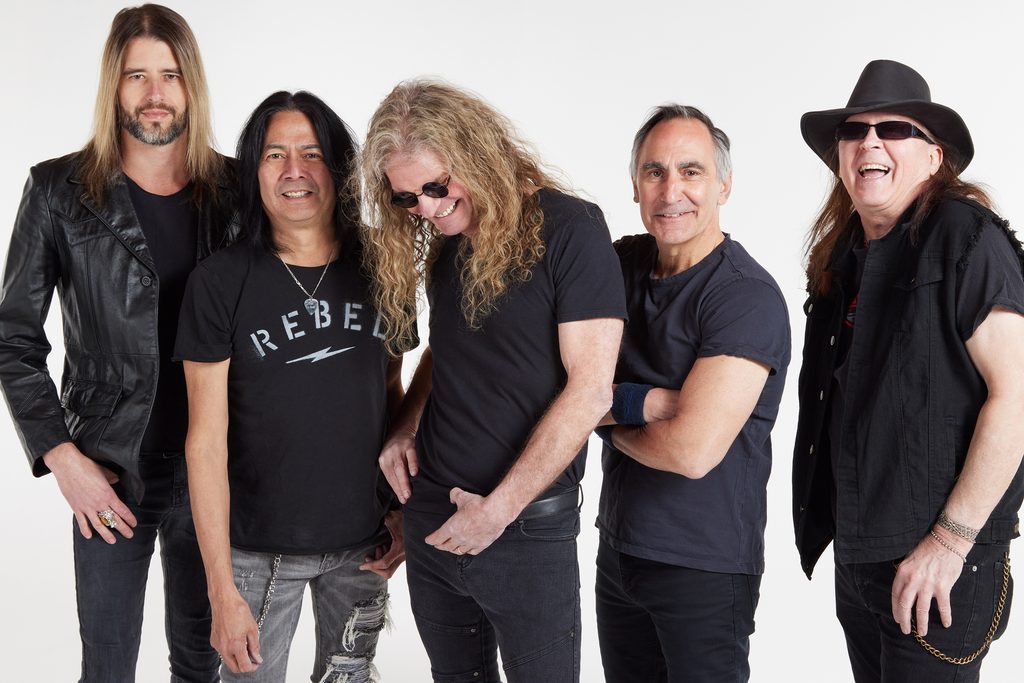
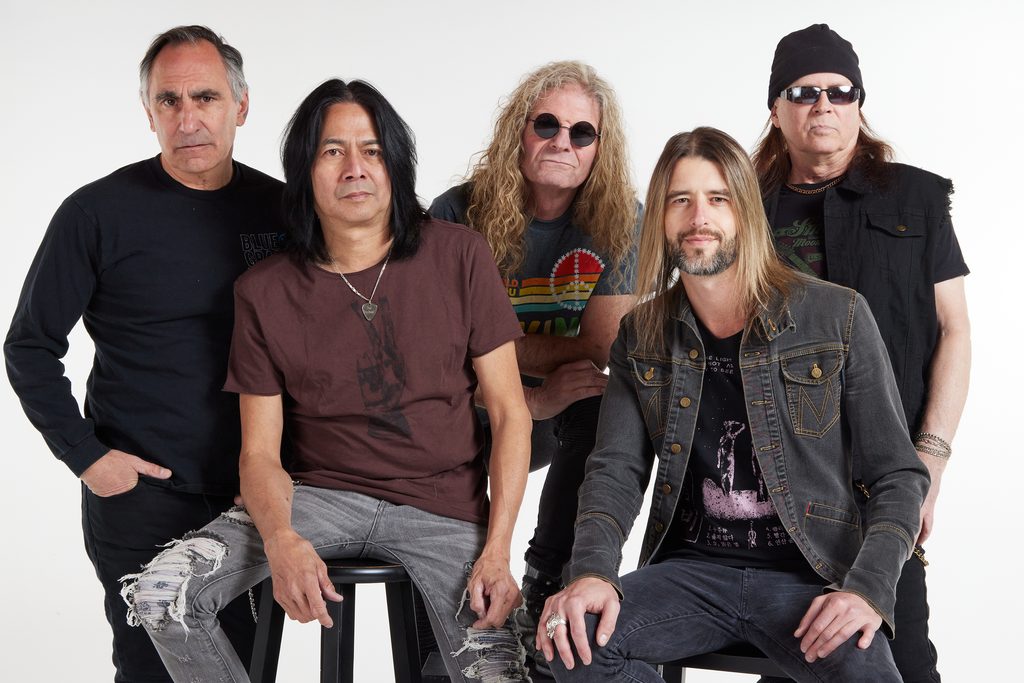
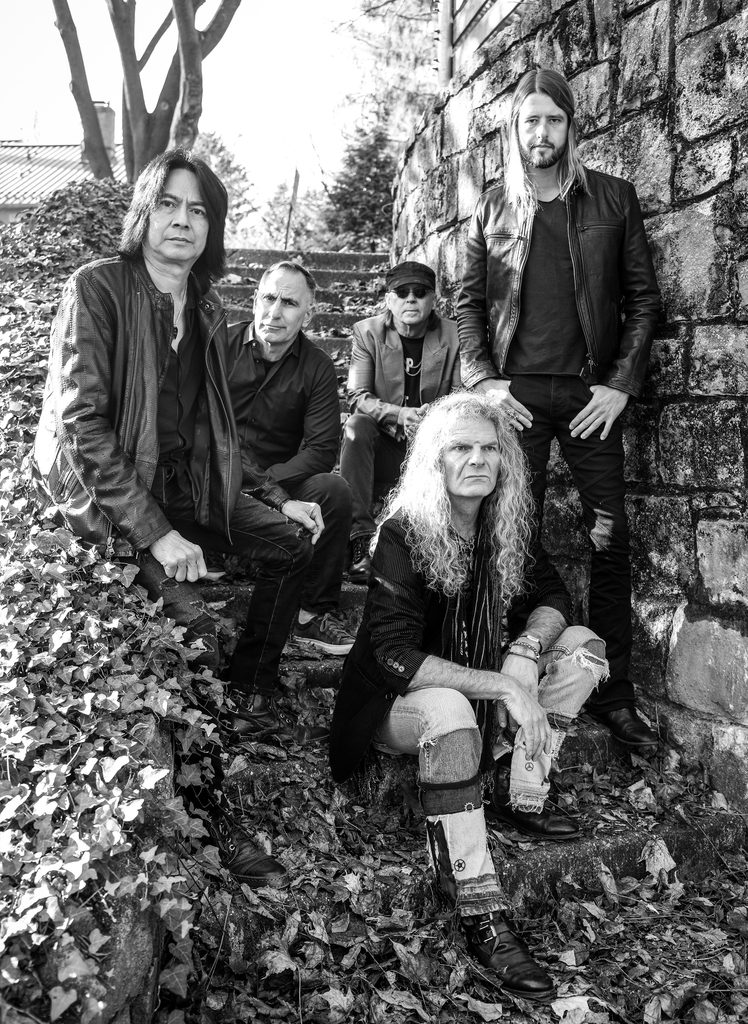
I’m totally hooked on Heavens Edge’s new album, Philadelphia, which will be released on November 13th via Frontiers Music. In fact, I’ve been streaming it every single day since the band’s publicist first sent me an advance listening link over a month ago, and I’m still not remotely tired of it. I find the album every bit as infectious as the band’s self-titled 1990 debut, which is really saying something. It’s a fantastic blend of melodic hard rock, with songs so catchy that Heavens Edge would make a perfect opening act for a band like Journey, alongside heavier, harder-hitting tracks like “LFG” and “No Way Out” that prove the band is rocking harder than ever.
The production is practically perfect, too. The songs sound polished where they need to, but they’re never overproduced. There’s a certain rawness to the guitars, a vibrant energy that gives the music plenty of bite without sacrificing the irresistible hooks and melodies. It’s the kind of album that reminds me why I fell in love with melodic hard rock in the first place. Now I’m just hoping Heavens Edge will hit the road in support of Philadelphia and bring the tour to Massachusetts, because these are songs I’d absolutely love to hear performed live.
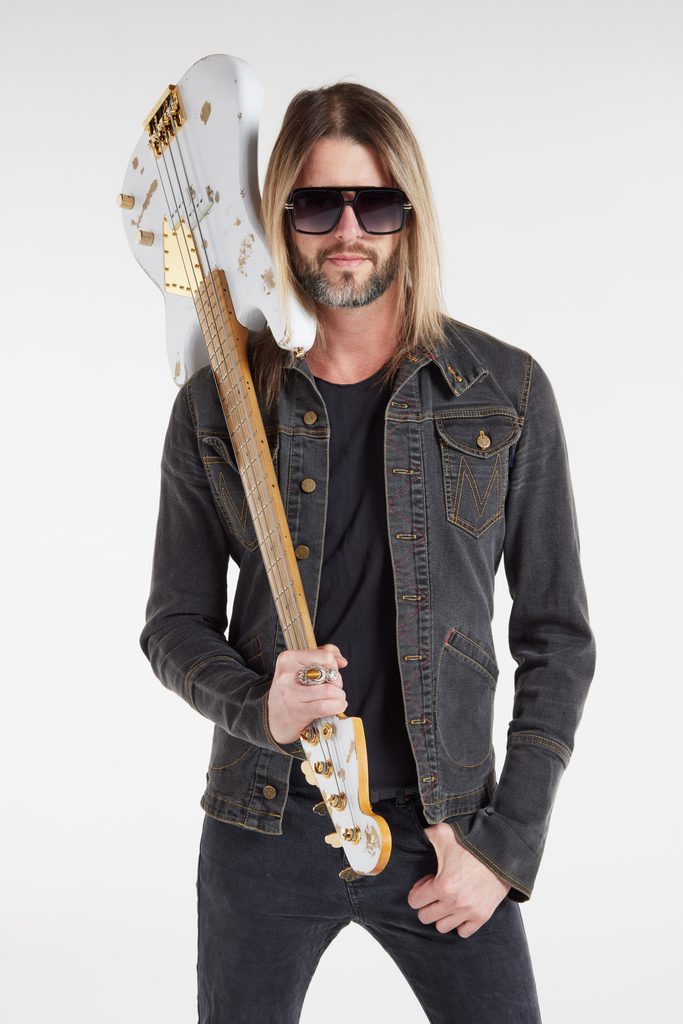
I recently had the pleasure of speaking with bassist Jaron Gulino, who joined Heavens Edge after the passing of original bassist G.G. Guidotti. Jaron is also a member of George Lynch’s Lynch Mob, and his impressive musical résumé includes stints with Tantric and Mach22, his own band On Top, and The L.I.F.E. Project. He’s a busy guy, to say the least, juggling his commitments to both Heavens Edge and Lynch Mob while pursuing other musical endeavors. We talked about everything from joining a band he’d already been a fan of to working with George Lynch, his other projects, and, of course, the making of Philadelphia. Here’s what he had to say.
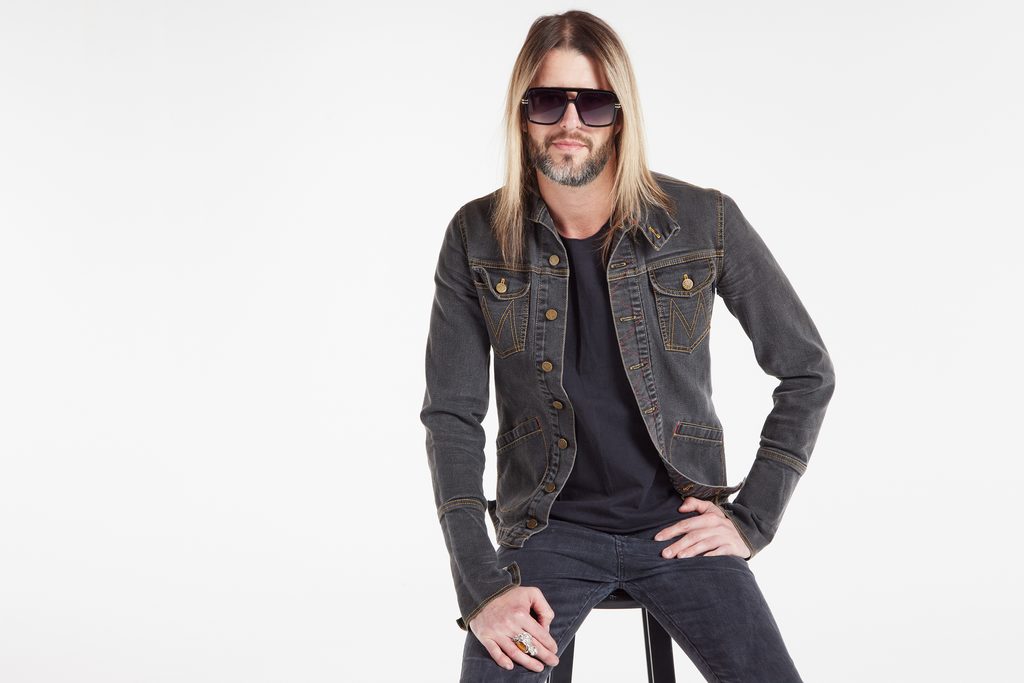
MM: I understand you were already a fan of Heavens Edge before you joined the band. How did the opportunity to join come about?
JG: Well, the opportunity to join came about when the bass player position became available following the passing of Gigi, the original bass player, in 2018. And then, after taking some time to figure out what to do with the band’s history, to move forward and continue the legacy or kind of stop everything on behalf of losing an original member of an all original band. I guess, the guys decided they wanted to move forward. So I was contacted by Mark Evans, the singer, and asked to come down and play some songs and meet the guys. And I immediately went down there and connected and it was a blast.
MM: How did you show up on his radar? What prompted him to call you?
JG: Well, I think it’s a combination of being from the Philadelphia scene. People in the scene at that time were always out at shows and supporting each other’s local bands and clubs within the scene. And I think just from years of doing it and being out and about, obviously we’ve connected that way. And also, I had randomly purchased just some gear from him years previously to joining the band, just picking up a bass amp on Craigslist. So, a couple strange connections there. But, when it came time to find somebody, what better way than to look in the local scene first and see if there’s anybody by that can be there and be local to doing rehearsals and working on music and things like that. And yeah, it just worked out that way.
MM: Did the fact that you were already familiar with the band’s music make it easier to step into the role? Or did you discover that playing their songs was more challenging than you expected?
JG: It was pretty seamless. It was one of those things where I was so familiar with the material already in my head from listening as a fan. But I never really tried to play it. So it was a little bit of both, actually. It’s not that it was hard, but more interesting than I thought, because I never really paid attention to the details of the bass parts and some of the inner workings of the songs and the chord structures. I was always listening to the guitar and the solos just kind of got into the music as a whole. And once I started picking it apart, I quickly found things were much more interesting and detailed than I imagined. And I’m definitely still hearing things and picking up on things years later that I’m like, oh, that’s how that goes. I kind of had it close. But, sometimes with bass, especially, it’s hard to hear what’s actually happening on these tracks unless you get like a bass up mix or someone can remix it for you. But I still have fun with it and try to put my own spin on it. But it was definitely a rewarding thing to be able to learn all the material and still be playing it all these years later.
MM: Sure. What’s the chemistry like in the band? Are you allowed to give as much input as like founding members? Are you considered an equal, do you feel like?
JG: I definitely do consider myself to be an equal within the guys, and I think they do treat me that way. But I also personally, purposefully take a backseat in a way, I let them have the natural creative juices that they’ve always had. My input is going to be a different ingredient to their recipe, so I do understand that it’s not something we’ve ever really talked about. But as being somebody that’s played in a lot of bands and have come in after original lineups and things like that, it is important to understand that the band has a chemistry and a sound and certain guys are that sound. And as much input as I do give and do have, I try to be as respectful as I can understand that maybe my ideas don’t fit or however you want to spin it. But, we all get along great and joke around, and it’s very lighthearted. And when it comes to the material, they’re very open to just about anything.
MM: What kind of music did you grow up on? Because I know you’re a bit younger than the other guys.
JG: Yeah, I grew up on a lot of 70s hard rock, 80s hard rock and got into metal, hard thrash and the heavier side of metal. Got all that from my dad. My dad raised me on Rainbow and Sabbath and Deep Purple and Yngwie. And then, as I got older, I found other stuff. Van Halen and Metallica and Slayer. And those are the bands that really shaped my whole world, essentially. And, now being a part of that scene in a way–that style of music–it’s very cool to know more about how it all works and, paint the picture a little further than where I had it when I was a little kid imagining what it must be like.
MM: It sounds like Heavens Edge is maybe not quite as heavy as what you’re normally into.
JG: I would say it’s probably accurate, if you’re taking it as a whole, but when I listen back to the first Heavens Edge record, it’s very heavy. There’s a lot of attitude and aggressive East Coast style in there. And that’s what I really love about the band. And even though maybe the songs were poppy or, you know, catchy, they were still heavy and had that badass bite to them. And I listened to that album a zillion times before I was ever [in the band]. Even now, still, when it comes on, I don’t forget how much I really love it, but it’s refreshing almost to hear it again. You know, I like all sorts of music. I wouldn’t say it’s not heavy enough, but I do typically like heavier music.
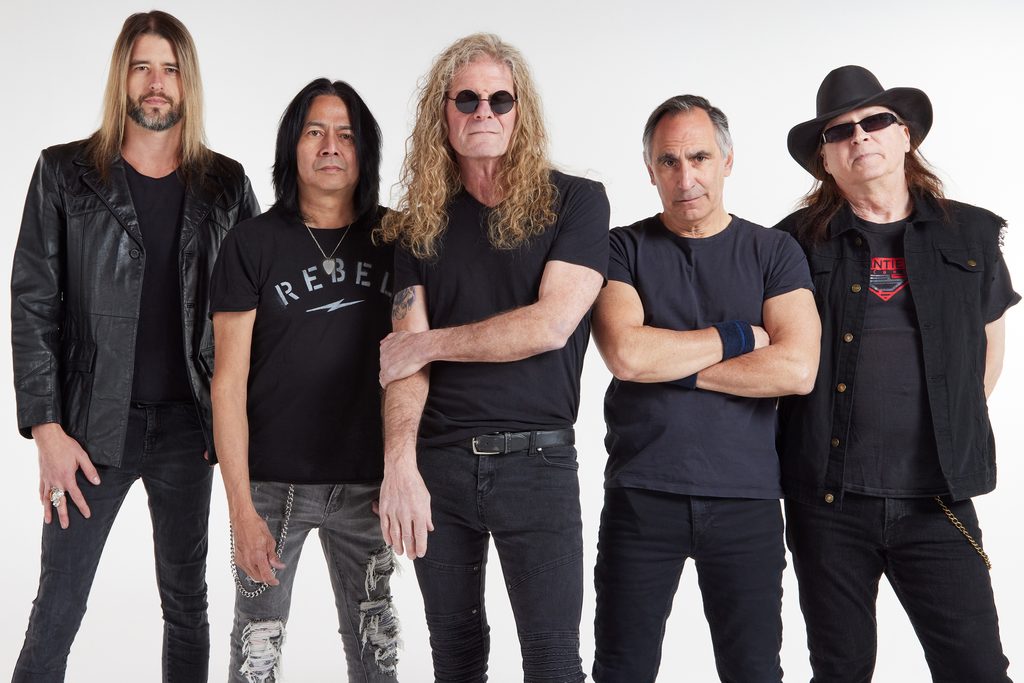
DAVE RATH, STEVE PARRY – PHOTO: ALEX CIHANOWIC
MM: You’ve played in quite a few bands over the years, including Tantric, whose music is more contemporary and almost post-grunge oriented. How different is your approach to bass playing in those two bands?
JG: Completely different, honestly. A band like Tantric, some of the parts are a little more basic to the point of–I don’t want to say boredom–but like, you could do it in your sleep. I felt like towards the end of my run with them, half the set I could just do with my eyes closed and I could predict everything that was going to happen. Even when things went wrong or whatever. But going to a band like Heavens Edge, it’s much more involved and it moves a little more, a little faster. It’s more upbeat in some ways and just a completely different style of playing. But, I do find similarities in both of them as well, in the stylings and some songs are better played with fingers than with a pick. And just finding that groove. The fun thing about bass is you kind of connect with the drummer. So if you had a killer drummer, it doesn’t really matter what style, you find that way to lock in. It’s a magical feeling and both bands definitely have that.
MM: You’ve also played in Lynch Mob. I believe you did the album Babylon?
JG: I did. I did Babylon, Dancing with the Devil and the latest, Final Ride Live.
MM: What’s it like playing with George Lynch? He has a very distinctive style.
JG: He does. He’s one of a kind. He’s my personal favorite in terms of sound and style. So getting to play with him every day on stage is truly amazing. And it’s always inspiring and challenging and rewarding in all the same ways. There isn’t one night where I go on stage and I don’t really feel the magic. So I’m very grateful.
MM: Now, was he officially retired Lynch Mob at this point?
JG: No, we’ve been back active since last July. So a year and a half now we’re back up and running and we’ve got a new record coming next year.
MM: Oh, cool. So you’re still in the band as well?
JG: I am. Yes.
MM: Do you participate in the songwriting in Lynch Mob or Heavens Edge?
JG: I do. I definitely contribute. Whether my ideas are picked or not is, is different story, but we definitely collaborate on all the songs. I’m not told what to play on anything. It’s a very free range type thing. But, again, one of those things is knowing what’s appropriate and what caters to the style and what the fans are kind of expecting. So I try to be respectful of all that.
MM: When you write songs, do you usually start with music or lyrics?
JG: For me, I always start with music, but I do write lyrics separately that aren’t necessarily for any music, so it could really go both ways. I’m constantly writing on both ends of the spectrum.
MM: Have you ever thought about doing a solo album?
JG: Yeah, I mean, I work on all sorts of stuff that I would consider solo albums. I had a band called On Top that was essentially that. It’s been about 10 years since I put anything out with that band and I was thinking about doing something here over the next year. I do have songs prepared. I have been writing and working on stuff, so, yeah, I definitely am gonna do that. It’s just been almost a decade now of touring like crazy and doing all sorts of bands and albums. It’s a labor of love and something that I want to release when I feel like it’s ready. And, hopefully, next year is that time.
MM: You’re the singer as well as the bassist with On Top, correct?
JG: I am. I don’t know if I would really call it a singer. I mean, yes, I’m the front man, but I always said I wanted a singer for the band and I just never found anybody that I could really connect with. Or that could really pull it off the way that I wanted it to be. And I ended up just being the vocalist. It kind of makes for a unique thing, but I think on this next one, I don’t know if I’ll change the format and get a singer or not. I might do it myself, but whatever I do, I want to make sure that it’s doable live. And I tend to write and sing in two different styles. So playing some of the songs and singing them at the same time is often difficult. So I don’t want to sacrifice any of the creativity by worrying about that, per se, and I think the solution to that would be bringing in a singer. But finding a singer that I think would be the right fit, that might be difficult, so we will see what happens with that but there’s definitely something coming.
MM: How did you get involved in the L.I.F.E. project with Josh Rand from Stone Sour?
JG: Josh took the time off the road with Stone Sour and wanted to release something and he got involved with Casandra Carson, the singer, right around COVID, I believe, through Dave Rath, who’s the Heavens Edge drummer and also known as an A&R guy in the industry. And when it came time to figuring out a touring lineup for that band, my connection through Cassandra lead to them asking me to play bass and be involved. We did a tour in 2022 and then spent a couple years recording a record, which I believe is coming out early next year. It’s a killer album. It’s kind of one of those things where it’s really heavy and really melodic. Kind of like thrash death metal style music with incredible melodic vocals but still with that edge and that heaviness. Very, very excited to finally release it. It’ll be nice hearing those songs again. It’s been so, so long since we’ve had it done. I purposely haven’t listened to it for a while because I really wanted it to come out very effectful. And I do that with all the albums that I play on. I try never to listen to them once I’m done with them so it’s always a treat.
MM: What have been the obstacles that have prevented it from being released so far?
JG: Well, we had recorded it numerous times. We tried to do it in a studio analog and it just didn’t have the sound or the effects of what the band, I guess, felt it wanted to be. You know, Josh has a very clear vision of what he wants. We then did it again, recorded it completely from scratch over again. And everybody lives in different states, so we all kind of travel in to get our parts done at certain times. And people are on tour and there’s a delay and stuff. So the beauty of that band was that nothing was ever rushed. It was always a labor of love. I think it’s better that way and more effectful and powerful when things actually end up coming out after that.
MM: When Heavens Edge recorded Get It Right in 2023, did you get the impression that the band viewed it as the beginning of a new chapter, or did it initially feel more like making a one-shot reunion album?
JG: It definitely didn’t feel like a one-shot reunion album. It just felt like a step in the right direction. There’s never been any talk of just doing one and it being over with. The band signed a three-album deal. So if we wanted to do another album after Get It Right, that was always on the table and of interest for sure. But it had been so long since the band had done something that no one really knew how it would go or how it would be received or what would really come after that, so there was no way of really knowing. Once it did finally come out and it had a great response, we were able to play out a little bit and tour it and support it. It was clear that there is a future for the band, and we should be making more music, and that leads to this latest record, Philadelphia, coming out next week. And even more so looking into the future for possibly a third record, so, sure, we’ll see what to expect soon.
MM: At what point did you start making Philadelphia, and where did the idea to call it Philadelphia come from?
JG: The idea to call it Philadelphia came from Dave Rath, our drummer. He calls a lot of the shots with those things and has great ideas. We started making it almost immediately after Get It Right. Demos were being tossed around, but I would say in late 24, going into 25, was really where we started to kick around the ideas and trade stuff. And start to demo things out, and rehearse songs. We spent most of last year rehearsing them at practice, even if we weren’t rehearsing for any shows or anything. We still got together to go over the songs and figure out what worked and what flowed. And finishing that up late into this year. It’s been done for a while, and the label always takes some time to get all the marketing and stuff together. So, finally it’s coming out. Very excited about that.
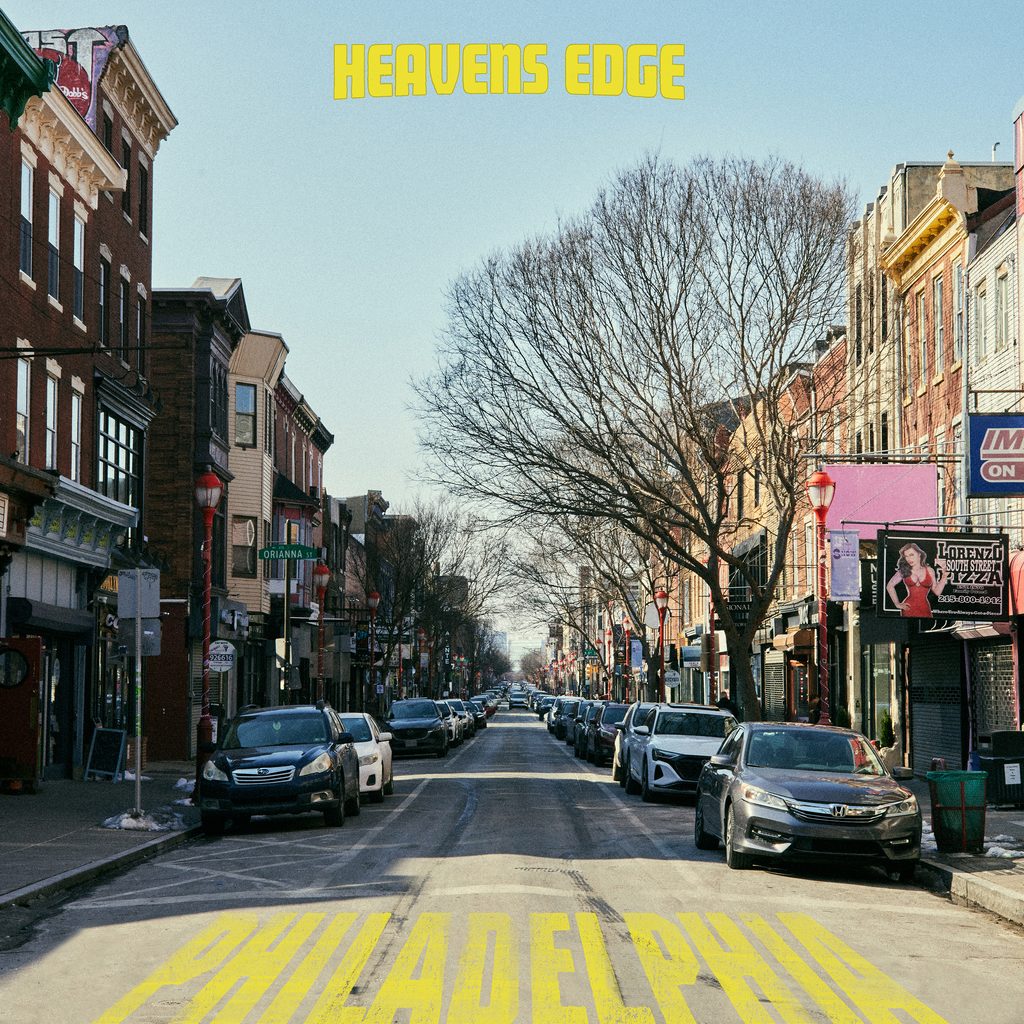
MM: How do you intend for fans to interpret the album being called Philadelphia?
JG: I don’t know. I think it’s kind of like the band making a statement that they’re proud of where they’re from. And if that’s how they feel, that’s great, and if people can connect with that, that’s even better. I think Philadelphia as a whole has that community feel. That city of brotherly love thing that they’re known for is kind of infectious throughout the city, and goes all the way down to the sports teams. Everybody’s a community when it comes to that stuff, so I think that that was the angle there. It wasn’t my idea, so I’m not quite sure, don’t quote me on it, but I believe it’s important to recognize where you’re from, where it all started, and to acknowledge the community in the way that the band has always been very supportive of that. And we do often do shows at home in Philadelphia to celebrate with the fans. And this album obviously will have a record release show in December, the 11th, at Union Transfer in Philly. I mean, what better way to release Philadelphia than to do a record release show in Philadelphia.
MM: Yeah, that’s cool. How did you guys come up with the intro track, “The Tempest”?
JG: Well, if you recall the first album, there is an intro track that goes into “Play Dirty,” and it’s kind of vibey, and has guitars, and all sorts of little samples and stuff. I think, personally, that’s my favorite part of the record, because I always liked albums that just started off out of control and wild. I believe that maybe it was Dave’s idea, or Reggie’s idea, but the point of it was that we could have a cool intro for the show or to start something off. Whether we play the track or start the show live with just the instrumental guitar thing going on, I think it will be very effective once we execute that.
MM: Sure. “LFG” eventually makes the title very clear with the line, “let’s fucking go.” The phrase has become somewhat of a rallying cry in sports culture. Was that an influence at all?
JG: I’m sure it was. I know that Mark, our singer, is a very big sports fan. I would say that’s exactly where that derives from.
MM: That’s my favorite song on the album, and I’m curious, why wasn’t it the first single?
JG: That’s a good question. I’m not sure why it wasn’t the first one. I think maybe because of the vulgarity or whatever, but I agree with you, it should have been the first single. It’s very powerful and it’s one of the heavier songs on the album, which I love. We did start playing it live this year so it’s been in the set list and people have heard it live, but, yeah, it should be a single. You’re right, and I hope the guys hear this, because they made a mistake.
MM: You describe “What He’s Got” as intentionally simple and familiar. Do you think that rock bands today sometimes overthink things when the real challenge is simply writing a great hook and making a song people want to hear again?
JG: I mean, I look at it from two different ways. Yeah, is it a challenge to write hooks and make things catchy for people? For some people, yeah, for sure. Some people are blessed with that talent and they can write hooky things and that’s all great. But going into making a simple hook shouldn’t be overthought and people can overthink many, many different ideas. I don’t know if that’s what happened here or not, but I’m also the kind of guy that I like the songs that don’t have the hooks. I like the deeper cut stuff. So, for me, I think a killer song in our genre is probably based on a guitar riff and being hooked on that because the guitar hero generation is essentially what our genre of music is. I think for me, that would be my approach. Is that tricky for me to write hooks and catchiness? Yeah, maybe, for what the average person might want to hear, but maybe the things that I come up with are what the fans want to hear that are into the other stuff. You know, the instrumental side of things. So it’s really hard to tell.
MM: I read an interview where you mentioned that James Brown was a major influence on you growing up. I thought that was interesting because I almost hear something of a funk influence in the verses of “Definite Maybe.” Did you bring any of those influences to that particular song?
JG: I wish I could say I did. That song was demoed out and I basically followed a lot of what the demo was on that one. But I could definitely hear that. I definitely try to–where it’s appropriate or sounds right–apply a little bit of funkiness to some of the bass lines. That’s not necessarily my style of playing, but I definitely love listening to it and have been inspired by it my whole life.
MM: I understand Reggie used a talk box on “Definite Maybe” and Steve played slide guitar. Were those elements part of the song from the beginning, or did those come up later in the recording process?
JG: I think they came up a little bit later. It’s hard to say because the song had been around for quite a while. The guys had demoed it out then it went through another round of demoing with our producer Jacob Bunton. I don’t know where the slide or the talk box came into play. It might have been right off the bat, but it’s not something that the guys are typically known for doing regularly. Steve does do quite a bit of slide these days so that’s not as surprising, but Reggie on the talk box was cool and I’m very glad that it made the cut.
MM: I actually also detect an Adrenalize-era Def Leppard vibe to “Definite Maybe,” particularly with the “hey” gang vocals. Is Def Leppard an influence on you or the band at all?
JG: I’m definitely a fan and have some of the early records. I think that would be more of a question for Mark and them, but yeah, I think, production-wise, that’s exactly where they were aiming. Def Leppard is the ultimate crowd-pleasing band so to aim and get anywhere near that is difficult to do. The fact that the guys even got close and people are comparing it to that says a lot.
MM: I was really impressed with the ballad, “Wrong or Right,” which has just been released as a single. So far, you’ve only released a visualizer for the song. Are there plans to make a more traditional video for it?
JG: There is, yeah. We were supposed to have one ready in time and the concept of the video required time at the recording studio. We did some tracking and getting the schedules to line up was very difficult. Especially since I was out on tour with Lynch Mob and Dave was out of the country doing some business. So, just lining things up and getting everything done in time has been difficult, but I believe there are plans to go in and actually do a proper video for that.
MM: Jacob Bunton provided additional production and vocals on the album. What did he bring to the table?
JG: He brought the shine, for sure. The guys have been working with Jacob for quite some time now. They did Get It Right and now Philadelphia. Jacob takes the guys’ great ideas and makes them fantastic and fabulous. He has some really great ideas as far as having the ear towards maybe changing a chord here and there or adding this or that and maybe adding those “heys,” like the Def Leppard stuff that you were suggesting. He’s like the magic extra everything and really takes everything in terms of the songwriting to the next level. He sings kind of like Mark. I’ve been a fan of Jacob for a long, long time through his band and many projects he’s been involved with, and I never noticed how close to sounding like Mark he really does, so when we get some of the demos and it’s both of them singing on certain things, sometime it’s hard to tell who’s who. I think there’s no better guy to really help on that side of things than him.
MM: Jay Ruston has mixed records from everybody from Anthrax to Stone Sour to Mr. Bungle. What did you want him to bring out in Philadelphia?
JG: I think the other guys had more of a specific list, if you will, of why or the sounds, but a guy like Jay Ruston, he’s top tier and gives an insane modern sound to the music. It’s not only industry standard, but a bit of heaviness, I would say as well. Like you said, he is known for all sorts of bands. Some of my favorites and heavy ones at that. So, for me, it’s cool because I get to hear my bass done right and even though it’s not really a metal record, my bass sounds heavy and like a metal bass tone. I could say that for the overall vibe of the record, the guitars are heavy. He knows how to really make it slam. Making sure you use somebody that releases music in a style that you really like or that’s sonically pleasing to your ears or to the masses is important and I’m glad that the guys made that choice.
MM: One thing I find fascinating is that a lot of bands that came out towards the end of the original commercial hard rock era, like Heavens Edge or Spread Eagle, are finding new audiences years later. As someone who’s played in both newer bands and bands from that era, what’s your perspective on why this music has such staying power?
JG: I think it’s a few things, honestly. It comes out and it has an impact right upon release in the late 80s, early 90s. Every person that was impacted or heard that, it’s then imprinted on them and they take it with them for the rest of their lives. So whether they don’t hear that song for 20 years or they play it constantly, the more times they listen to it, is the more times there’s a chance that someone’s listening to it with them or that someone else has heard it or been told about it. And then you get a whole new generation of parents that were fans of this music that play it and their kids hear it and the kids are now going to the concerts with them. And two tickets for a couple then becomes four or five for a family. And it only spreads wider and wider and larger and larger as time goes on and grows naturally. It’s only natural that something like that stays around–spotlight or not–it can’t help but to spread. And you give everything time and things start as a cult thing and after 20, 30 years, these bands are making huge appearances at festivals and having comebacks and, who knew, but it’s a wonderful, beautiful thing.
MM: And the thing that blows my mind is that almost seems like Heavens Edge and Spread Eagle are more popular now than they were when they first debuted.
JG: Sure. That’s a great thing. It’s exposure to so many different audiences at Monsters of Rock Cruise and festivals like that, that are getting all of these bands in the one place where a larger audience is seeing a lot of things that they probably normally wouldn’t go to by itself. Or make the trip or the flight or the drive to wherever far away club to see music. So it all helps. I feel that all the bands help each other in that respect.
MM: I know a lot of bands I interview hate Spotify and other streaming services, and I certainly understand the complaints about how little they pay artists, but do you think that streaming is helping a band like Heavens Edge or even Lynch Mob find new listeners who might never have discovered those albums otherwise?
JG: Absolutely. I think it’s a double-edged sword. Yeah, they don’t pay great and that stinks, but is anybody really doing this for the money? And if so, you know, good for you. But, for us, yeah, if you’re back in the day selling millions of records and then all of a sudden your income is a little different looking these days because people aren’t selling records, I get that. I wasn’t alive back then and I wasn’t selling records. So for me, I don’t do it for the money either way. Does anybody in our band? Definitely not. We’re not making money. If anything, we’re spending money, making sure things are right and doing things the right way to our standards. And there are bands that make money and do make good money and get paid on streams. But what better exposure is there than a platform that everyone has access to? And you can just look up any kind of music at any given time.
I mean, for me, I’m a record collector and I like having CDs, cassettes, vinyl. To go down your shelf or your shelves and look at everything. And you say, oh, I haven’t heard this in a while. You pick it out. The problem for me with Spotify is I got to remember things to listen to and it’s like I keep listening to the same 15, 20, 30 things all the time. And unless you put on a random playlist or let the playlist run out and start suggesting music for you, you can often be stuck in this little bubble. So yeah, while there are endless possibilities and what seems like a limitless amount of bands and music to listen to, I do find it almost more difficult to be in the mood to listen to music when I’m doing it that way. I’d much rather see it in front of me and be able to look through and touch it and have something tangible.
MM: Sure. Me, too. At the end of our interviews, we usually ask a few random questions. Do you have time for that?
JG: Sure.
MM: Okay. Do you prefer listening to new music or music that makes you nostalgic?
JG: That’s a tough one. I would say new music that I haven’t heard. It doesn’t have to necessarily be current, but something I’m not familiar with because as a fan, you feel like you’ve heard everything in every style. And when you hear a new band, that’s a style that you like that you never were aware of or maybe you never gave the time of day. I think there’s no better feeling than that, you know?
MM: Who are some of your favorite newer artists?
JG: Newer artists, geez… Most of the people that I listen to are older or associated with older bands. Elegant Weapons has been a great new thing. But it’s guys from older bands. Great newer bands? Jared James Nichols. Paralandra is a killer band. So many out there. There’s a new up and coming band called Wanted out of Detroit and they’re doing old school heavy metal. They’re really cool. It’s hard, but I do listen through to everybody and try to be as fully aware of what’s out there and going on. If you have any suggestions, I’m definitely down to hear it.
MM: There’s a band called Bad Marriage. I don’t know if you’ve heard of them.
JG: Yeah. They’re from the Massachusetts area.
MM: Yeah. They’re from my area.
JG: Yeah. Okay. We play up there all the time with them.
MM: Oh, cool. I’ll have to keep my eyes open for that. When was the last time you went to a record store and what did you buy?
JG: I went to a record store sometime in the last month and I bought maybe the Joe Holmes new release. And maybe the new Evergrey vinyl as well. Can’t remember. I just moved in the last week and there’s a record store across street I have to go into. And a few down the street here in New Jersey. All of these record stores are usually pretty solid. So I’m excited to try some new territory here.
MM: If you had to go into the studio tomorrow and record a cover song, what would you choose?
JG: “Love is a Battlefield.”
MM: Pat Benatar?
JG: Yeah. I would do a friggin’ heavy version.
MM: Oh, that could be cool. What was the first concert you ever attended and who took you?
JG: First concert? Iron Maiden, Queensrÿche and Halford at the PNC Bank Art Center on the Brave New World tour. My dad took me. Changed my life forever.
MM: With me, it was when I was 11 years old. My uncle took me to see Van Halen on the 5150 tour.
JG: I was 11 years old as well.
MM: And that was actually the longest concert I’ve ever been to. Still. It was like three and a half hours long. It was crazy. They just played and played and played.
JG: Love that.
MM: One last question. Is there a question that you always wish interviewers would ask, but never do? And if so, how would you answer it?
JG: I think there are a lot of questions I almost wish people would ask. But, I think they’re more deeply personal. There is information out there about so many artists more from a personal standpoint that might paint a picture to better understand who they are and what makes them what they are today. And, I always think, I hope one day someone really does a deep dive on me and can ask me some deep, almost uncomfortable questions. It would be good to kind of get through that. But at the same time, I think you guys have a hard job because so many people do multiple interviews and everybody wonders the same questions. But unless you’ve really watched a lot of interviews, you don’t always know those answers. So, finding any kind of unique questions that answer things in a different light is something that I always hope for and aim for. And you’ve done a really great job at asking some awesome questions and clearly you’ve done your research and I greatly appreciate that.
MM: Did you have like a hard life growing up?
JG: No. I mean, I had every kid’s dream life pretty much. I had supportive parents that love me. I did grow up in a split household and whether kids draw problems from that–psychological or whatever–it’s all relative in life, but I was lucky that my family supported the crazy things I wanted to do from skateboarding to playing music to playing hockey or whatever. Then, as I became an older, more grown up person, making my own choices in life after college, to do music full-time for a living, most parents probably wouldn’t be stoked on that because it’s such a gamble and a tough lifestyle, but I’ve always been a proud person to work my way somewhere and do it myself without the help. Yes, it’s nice to have support and encouragement from family, but I never had anybody pay my way. I’ve always earned it myself. And I think that I had just as many advantages and disadvantages as everybody else. And getting out there and doing it yourself, I think is important whether you’ve had a tough childhood or not. I definitely was taught the right things and the right work ethics for sure.
Special thanks to Jaron for taking the time to speak with us and to Jon Freeman for setting it up!

Leave a Reply