
By Michael McCarthy
You know how some people absolutely despise artificial intelligence? They don’t want anything to do with it. They don’t want AI-generated music, AI-generated artwork, or AI-written books. The very mention of AI makes their blood boil.
Well, I’ve found something I hate just as much, if not more: lab-grown and bioengineered food.
And the more I learn about it, the angrier I get.
I’m a vegetarian, so I don’t have to worry about accidentally eating a laboratory-grown steak. But meat is only the beginning. Scientists and biotechnology companies are developing ways to produce milk proteins, egg proteins, chocolate ingredients, and other foods using technologies that would have sounded like science fiction not terribly long ago.
Some companies are growing animal cells to produce meat without raising and slaughtering animals. Others are using microorganisms, including genetically engineered yeast and fungi, to produce proteins ordinarily obtained from cows or chickens. There are even companies developing chocolate ingredients from cacao cells grown in controlled environments instead of harvesting cocoa beans from trees.
I understand why some people find these developments exciting.
I find them revolting.
And I don’t particularly care if that makes me old-fashioned.
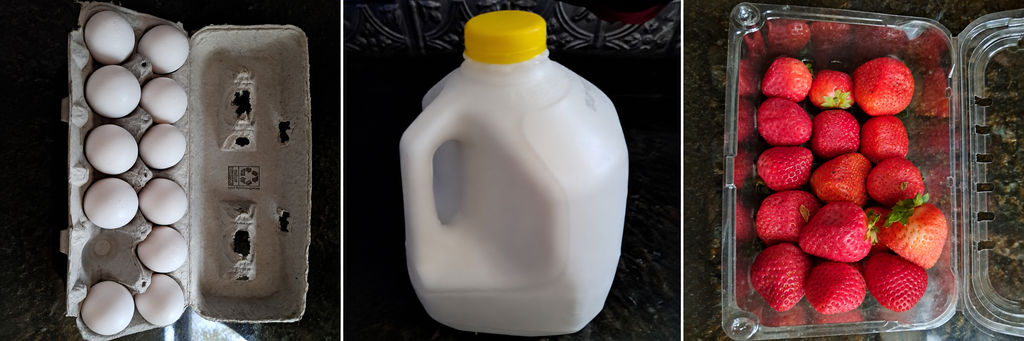
Just because we can make something doesn’t mean we should.
Let me clarify something before going any further. These technologies aren’t all the same.
Cultivated meat involves growing animal cells. Precision fermentation uses microorganisms to produce particular substances, which can then be separated and purified. Mycoprotein products, such as Quorn, use fungi themselves as a source of protein.
And bioengineered crops are another category altogether.
I’m not suggesting they’re identical. What they have in common, from my perspective, is an increasingly technological approach to producing food that I simply don’t want to embrace.
Now, I know someone is going to point out that people have been using fermentation to make bread, cheese, yogurt, and other foods for thousands of years.
Yes, I know that.
But traditional fermentation isn’t automatically equivalent to using genetically engineered microorganisms to manufacture animal proteins. I recognize the distinction, and I still find the newer technology profoundly unappealing.
When I hear about milk proteins being manufactured using genetically engineered fungi or yeast, it makes me nauseous. Literally. The entire concept turns my stomach.
That’s a personal reaction, not a scientific argument. But consumers are entitled to have personal preferences about what they put into their bodies.
I don’t want milk made this way. I don’t want egg substitutes made this way. And I certainly don’t want to discover that a chocolate bar I’ve been eating contains ingredients produced using biotechnology without my realizing it.
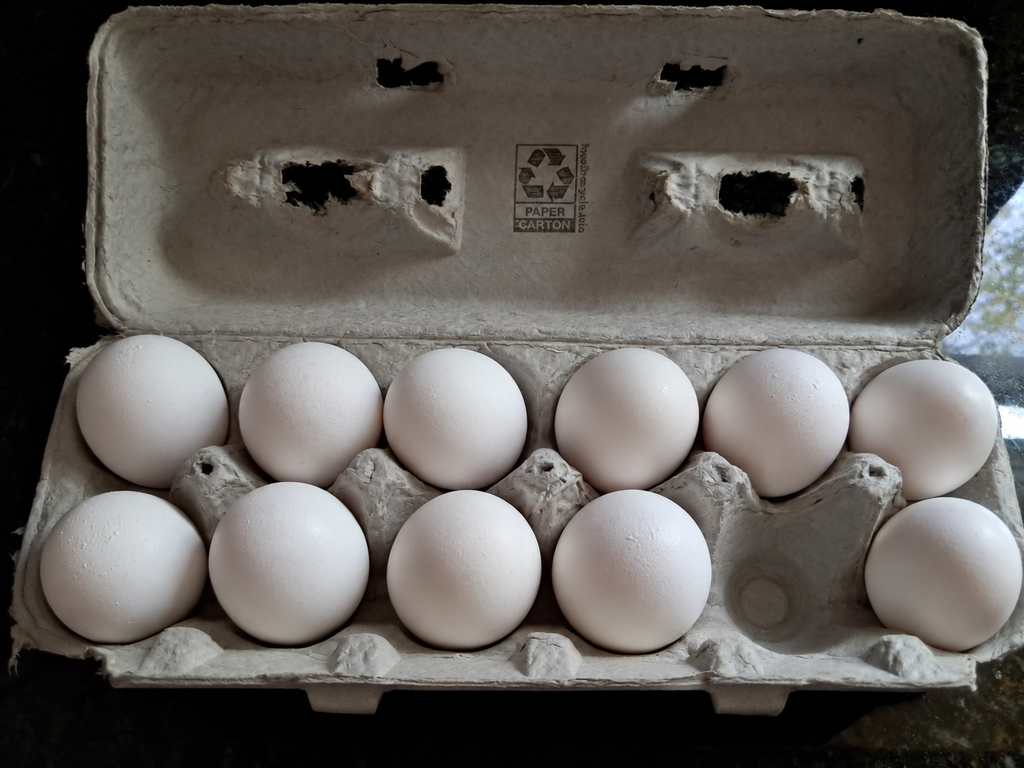
But is this stuff actually safe?
This is where I think we need to separate legitimate questions from unsupported accusations.
I have serious concerns about the safety of newly developed food technologies, particularly as companies expand production and introduce more products.
But I cannot honestly claim that these foods cause cancer or neurological disorders. There isn’t established scientific evidence supporting those claims across these technologies, and I don’t intend to present speculation as fact.
That doesn’t mean there are no risks worth investigating.
In 2023, the World Health Organization and the United Nations Food and Agriculture Organization published an extensive assessment of cell-based foods, identifying potential food-safety hazards that need to be evaluated and controlled.
Allergic reactions are another concern.
For example, a published study of self-reported adverse reactions to Quorn mycoprotein products documented cases of severe allergic responses, including anaphylaxis. That doesn’t mean every fungus-derived food produces the same reactions, and it certainly doesn’t establish that all bioengineered food is dangerous. But it illustrates why evaluating individual ingredients and their potential allergens matters.
Interestingly, milk proteins produced through precision fermentation can still trigger allergic reactions in people with milk allergies. Even if those proteins never came from an actual cow, they can remain recognizable to the immune system as milk proteins.
So these products require careful safety evaluations, and consumers need accurate allergen information.
The FDA and USDA already have regulatory responsibilities covering these technologies. I acknowledge that. But I also believe consumers have every right to question whether those regulations are sufficiently rigorous and whether existing laws adequately address new manufacturing methods.
And even if a particular product is ultimately demonstrated to be safe, that doesn’t obligate me to eat it.
The restaurant problem is what really infuriates me.
Here’s what bothers me perhaps more than anything else.
Under the USDA’s National Bioengineered Food Disclosure Standard, restaurants and similar food-service establishments are exempt from the law’s mandatory bioengineered-food disclosures.
That’s right.
If a restaurant serves food containing ingredients that would ordinarily trigger disclosure requirements under that particular law, it generally doesn’t have to provide that disclosure on its menu.
Now, to be precise, this isn’t a blanket exemption from food-safety laws. Restaurants can’t simply ignore allergen requirements, and certain products, including cultivated meat and poultry, have additional labeling and regulatory oversight.
But the general restaurant exemption is real.
And I think it’s absolutely unacceptable that consumers aren’t guaranteed clear disclosure of how the food they’re ordering was produced.
Imagine going to your favorite restaurant and ordering a familiar meal, only to discover afterward that the establishment had switched to ingredients made through precision fermentation or another biotechnology process.
Maybe the restaurant considers those ingredients just as good as the conventional ones. Maybe they’re cheaper. Maybe the restaurant believes it’s helping the environment.
Fine. But what about what the customer wants?
Why shouldn’t I be told?
Why shouldn’t everyone be told?
I don’t want to have to interrogate a waiter about the origin and manufacturing process of every ingredient in my dinner.
And I certainly don’t want to stop going to restaurants because I’m uncomfortable with the possibility of unknowingly eating foods I would never willingly purchase.
To be clear, there is no evidence that restaurants everywhere are suddenly replacing conventional foods with laboratory-produced alternatives. Cultivated meat, in particular, remains a relatively limited commercial market.
My concern is about where this could lead as the technology becomes more widespread.
I don’t want us to reach a point where avoiding these ingredients becomes increasingly difficult.
I’m a vegetarian, but that doesn’t mean I support every alternative to animal products.
There’s an irony here that I readily acknowledge.
I’ve been a vegetarian for years because I don’t want animals killed for my meals.
So, on one level, I would certainly prefer that someone eat cultivated meat rather than slaughter an animal for the same purpose.
If these technologies eventually reduce animal suffering, that would be a meaningful benefit.
But that doesn’t mean I want to eat the resulting products myself.
And I don’t believe vegetarianism should require anyone to embrace biotechnology.
There are already plenty of plant-based foods I can eat without needing a laboratory to manufacture animal proteins.
I’d rather see companies investing in better agricultural practices, animal welfare, and genuinely appealing conventional plant-based foods than attempting to engineer substitutes for seemingly everything we eat.

This isn’t something Trump invented.
I’m hardly a fan of Donald Trump or his administration, and I have serious concerns about the priorities of federal regulators.
But blaming this entire development on Trump would be inaccurate.
The FDA and USDA established their formal framework for overseeing cultivated meat in 2019, during Trump’s first administration. The first cultivated chicken products entered the American market in 2023, during Joe Biden’s presidency.
Food biotechnology has developed across multiple administrations and over many years.
So my objections aren’t limited to one president or political party.
I oppose the direction this industry is taking, regardless of who’s occupying the White House.
Consumers need to push back.
I realize that plenty of people will disagree with me. Some will embrace these foods enthusiastically. Others may consider them an important part of addressing animal welfare, climate change, or food shortages.
They’re entitled to those opinions.
But I’m entitled to mine.
I don’t want laboratory-grown food replacing conventional products in my diet. I don’t want manufacturers deciding that something produced using engineered microorganisms is an acceptable substitute for the ingredients I’ve been buying all my life without making that distinction obvious.
And I don’t want restaurants quietly adopting these ingredients without giving customers the information necessary to make an informed choice.
I would support much stricter labeling requirements, including mandatory disclosures in restaurants. I want independent safety evaluations, meaningful regulatory oversight, and clear identification of products made using these technologies.
I also believe consumers who oppose these products should make their feelings known. Contact manufacturers. Question restaurants about their ingredients. Support businesses that commit to transparency and conventional food production. Boycott products you don’t want to buy. Organize peaceful demonstrations if you believe stronger protections are necessary.
As for me, I’m opposed to the commercialization and expansion of lab-grown food, and I don’t intend to purchase it. I would rather see investment directed toward improving the food systems we already have than toward replacing familiar foods with biotechnology-derived substitutes.
I understand that innovation can be beneficial. I understand that the technology may produce products that meet regulatory safety standards.
And I understand that my personal disgust isn’t proof that something is harmful.
But none of that changes how I feel.
I want to know what I’m eating. I want to know how it was made. And I want the freedom to reject food produced using technologies I find fundamentally objectionable.
If companies believe their lab-grown and bioengineered products are so wonderful, they should have no objection to telling consumers exactly what they’re buying.
Let people decide for themselves.
And as far as I’m concerned, they can keep their lab-grown food off my plate.
Sources and further reading
- USDA: National Bioengineered Food Disclosure Standard — Industry Fact Sheet
- FDA: Human Food Made with Cultured Animal Cells
- WHO/FAO: Food Safety Aspects of Cell-Based Food
- Published research: Self-reported adverse reactions associated with mycoprotein-containing foods
- FDA: Food Allergen Labeling Guidance
Leave a Reply