
by Michael McCarthy
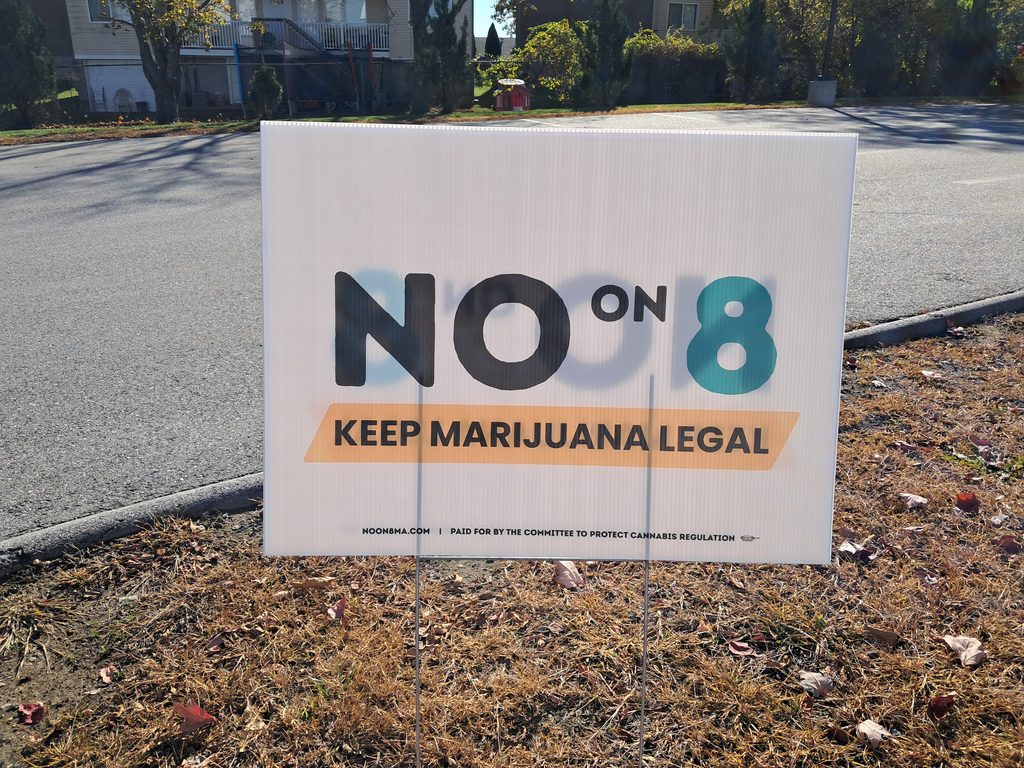
Massachusetts voters will face nine statewide ballot questions on November 3. Question 8 is titled “Prohibit Retail Sale of Adult Recreational Use Marijuana.”
The proposal is more complicated than simply asking whether marijuana should be legal or illegal.
If Question 8 passes, Massachusetts would repeal the laws that currently legalize, regulate and tax retail sales of adult-use marijuana. Adults 21 and older would still be allowed to possess up to one ounce of marijuana, including no more than five grams of concentrate, and could give that amount to another adult. The medical-marijuana program would remain in place. The changes would take effect January 1, 2028.
There’s one group of people I think deserves particular attention in this discussion: people who purchase marijuana through the adult-use market but use it, at least partly, for medical reasons.
I’m one of them.
I use marijuana because I find that it helps me with anxiety and chronic pain. I also find that it can sometimes help with creativity when I’m writing.
I am not, however, a registered Massachusetts medical-marijuana patient.
The biggest reason is money.
Massachusetts no longer charges a fee for the medical-marijuana registration card itself. But before someone can register, they need certification from an approved healthcare provider, and those providers are allowed to determine their own fees for certification appointments.
For someone living on a limited income, that distinction matters.
Even an unexpected $100 medical expense can be difficult for me to absorb. If I encountered a provider charging $200 or more for certification, that simply would not be financially realistic for me right now.
That is why the statement that “medical marijuana would still be legal” does not completely resolve my concern about Question 8.
Something can be legally available without being equally accessible to everyone.
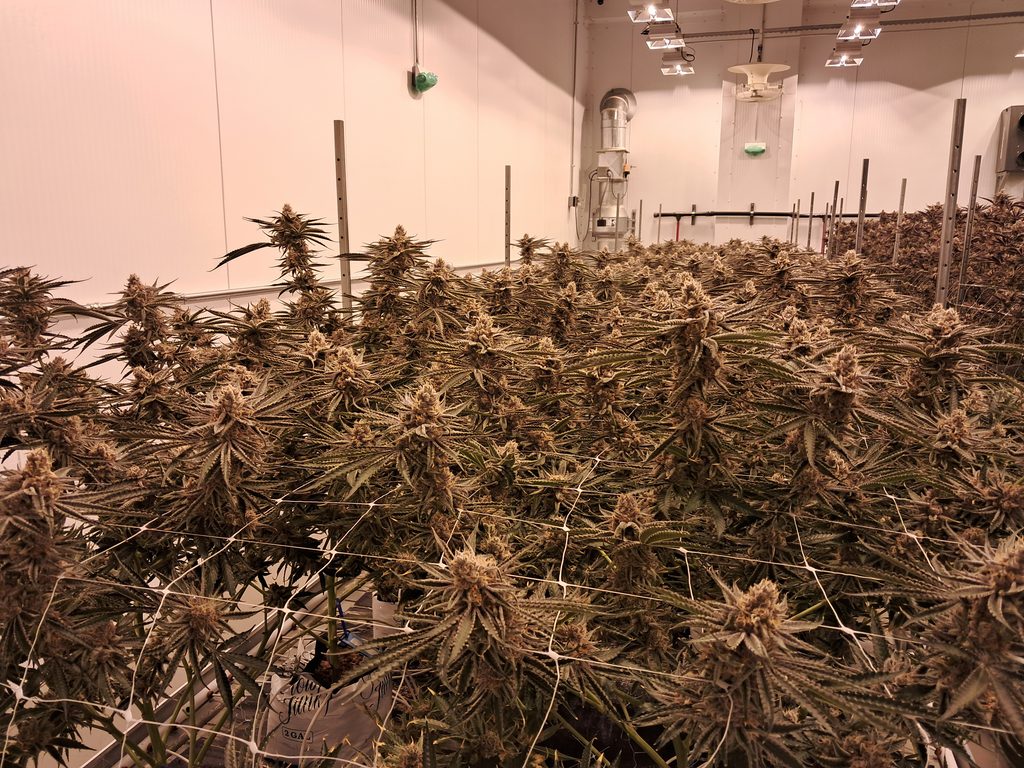
I currently have another option. As an adult, I can purchase marijuana from a licensed recreational dispensary without first paying for an additional medical appointment, obtaining certification and registering as a medical patient.
If Massachusetts eliminates legal recreational sales, people in my position would lose that route even though the reasons some of us use cannabis may have very little to do with recreation.
There is an important nuance here. Massachusetts does provide certain financial-hardship protections within the medical-marijuana program, and the state itself does not charge for the initial registration card. Certification fees, however, are determined by individual healthcare providers.
That means someone considering the medical program should investigate providers, their fees and any available hardship assistance rather than assuming every certification will cost the same amount.
But the larger issue remains.
There are undoubtedly people in Massachusetts who do not fit neatly into the categories implied by the terms “recreational user” and “medical patient.”
Someone may buy from a recreational dispensary while using cannabis for pain, sleep, nausea or another symptom. Some people may have discussed cannabis with a physician. Others may not have. Some may qualify for the medical program but never have registered.
The ballot question also raises issues beyond medical access.
Supporters of Question 8 argue that eliminating commercial recreational marijuana sales would address public-health and safety concerns while leaving the state’s medical program intact. Opponents argue that eliminating licensed adult-use retailers would dismantle a regulated marketplace and potentially shift some consumers toward unregulated sources. The state’s voter information materials present arguments from both sides.
There would also be a significant financial effect. According to the official Massachusetts voter guide, taxes on adult-use marijuana generated approximately $280 million for the state and $50 million for local governments in fiscal year 2025. That retail tax revenue would decline if the proposal took effect.
Those are issues voters can weigh for themselves.
But I hope one less obvious question is part of that discussion:
What happens to people who use the adult-use marijuana system for reasons that are not entirely recreational?
For someone with plenty of money and easy access to healthcare, obtaining medical certification may sound like a minor inconvenience.
For someone watching every dollar, another appointment and another fee can become a genuine barrier.
Whatever Massachusetts voters ultimately decide, the debate over Question 8 should recognize that the line between a “recreational marijuana customer” and somebody using marijuana to manage symptoms is not necessarily as clear as those labels suggest.
Sometimes they are the same person.
Please vote NO on question 8. Thank you.
Leave a Reply