
by Michael McCarthy
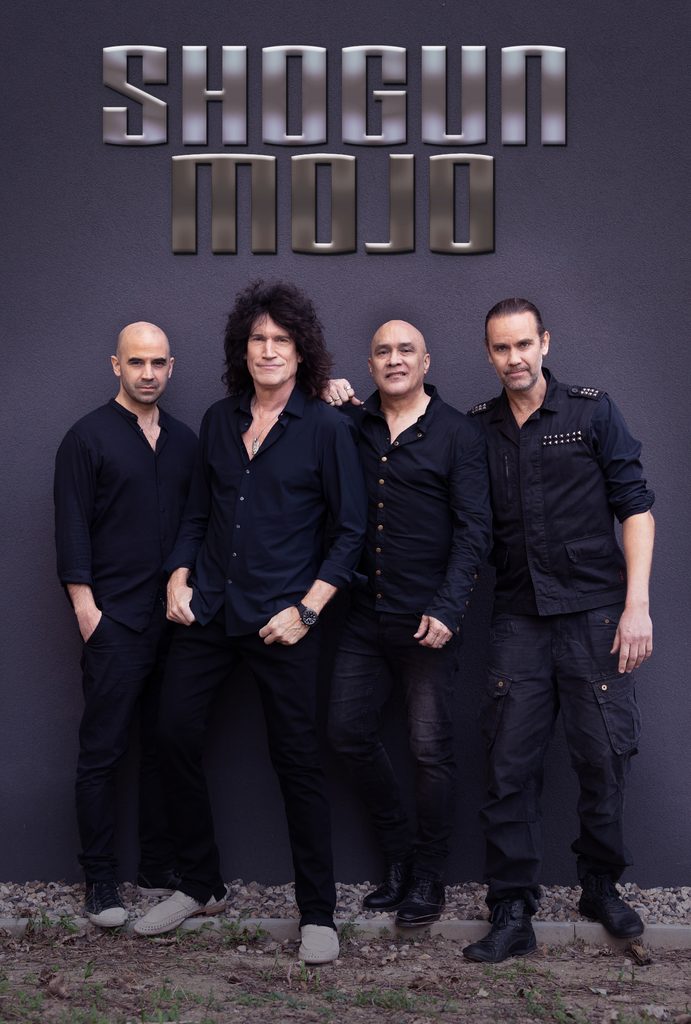
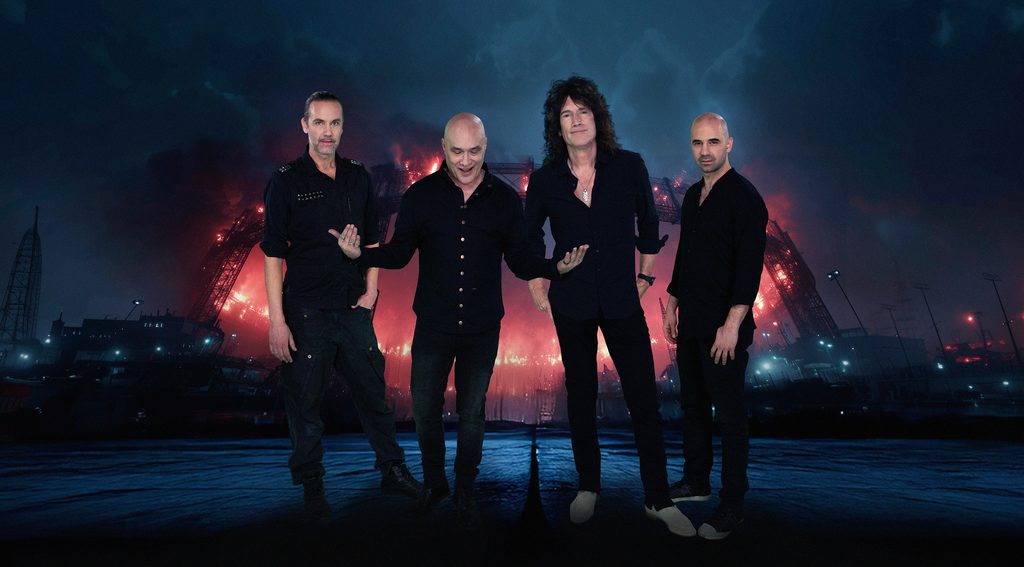
Dan Reed has never been an artist who’s content to stay in one musical lane. From the infectious blend of funk, rock, and soul that made the Dan Reed Network such a distinctive band to his more introspective solo material, he’s spent decades exploring different sounds and following his creative instincts wherever they lead him. And he certainly isn’t slowing down. His latest musical endeavors include Shogun Mojo, a hard-rock project that has seen him collaborating with KISS guitarist Tommy Thayer, and Snake Oil & Harmony, his decidedly mellower partnership with Tyketto frontman Danny Vaughn.
But music is only part of Dan’s creative world. He’s also a painter, filmmaker, and someone with a deep interest in spirituality and the human experience. When I recently had the opportunity to speak with him, our conversation covered everything from working with legendary producers like Nile Rodgers and Bruce Fairbairn to his current projects, future plans for the Dan Reed Network, and the artistic and philosophical interests that continue to inspire him.
What follows is a wide-ranging conversation with a musician who has never stopped evolving.
MM: First of all, what does the name Shogun Mojo mean to you? And what’s the story behind it?
DR: Well, the name came from a friend of ours who lives in Colorado–a great musician by the name of Jeff Grayson–and he had some friends that he played with many years ago called Shogun Mojo. They were a club band, but never put out any records. And when we were talking about putting this album together, he goes, “Dude, I’ve got the cool band name for you guys.” He was on tour with us. Playing rock funk songs with my trio, a drummer and bassist and myself on a rhythm guitar. And he goes, “Shogun Mojo.” And I just loved it. I was reading the book Shogun when I was just 14 years old. There was an honor in that tradition. A strength. A kind of dedication to the person next to you, to tea ceremonies and family and community. And having that kind of mojo in a time where we’re so divided, I think is a good idea. So that’s why I like the name.
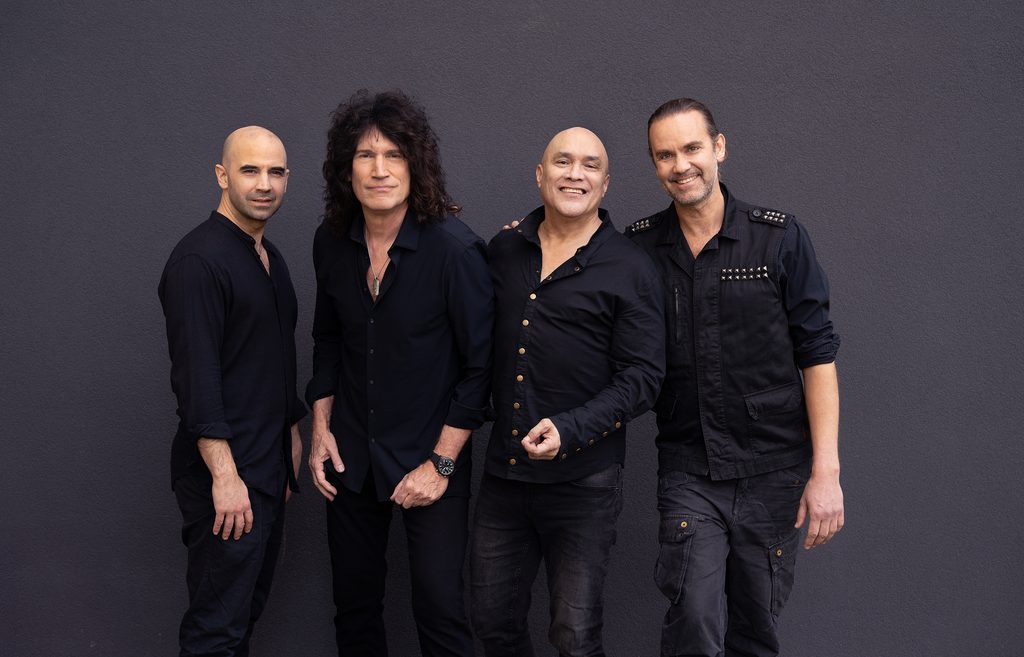
MM: I know Tommy Thayer says you and him go a long way back. When did you guys first meet?
DR: 1982, maybe ’83. Right when I got out of high school, I moved back to Portland, Oregon, the town I was born in. And he had a band called Loved by Millions at that time. Then they did Black ‘N Blue and they were signed. We hung out a bit in those early club days, but they moved to LA quite quickly after they got their deal. So I hadn’t seen him for many, many years. Off and on at a KISS show maybe, or golfing with Doc, the manager. I did that once for his birthday, and Tommy was there for that. But otherwise I never saw him much.
And then he started coming to Prague a lot. Because he was dating a Czech girl here, and they have a baby daughter now. So he comes here often, every couple months. He spends a couple weeks here. When he was done visiting his daughter, he would come over to the house–I have a home studio– and we just started writing. Just writing lots of different kinds of songs. Having a shot of whiskey and listening to the music that we grew up with as kids and what inspired us. And so the Shogun Mojo record was really about trying to recreate that kind of feeling we had in high school when we listened to albums from the ’70s, whether it was Bad Company or Free before that. Or Sly and the Family Stone. Just going through all these old albums that we love. Doobie Brothers. April Wine. Head East. Boston. And then we said, let’s try to make a record that reflects that energy. That was the goal, at least.
MM: Yeah, I think it came out great.
DR: Ah, thanks.
MM: How did you guys divide the songwriting on the album? Did the two of you sit down and write them together?
DR: We wrote the majority of the stuff with the bass player, Tommy and I. The bass player would send the grooves. I’d say about five songs on the album are songs that started from the bass player just playing a groove for the verse. And then I would put drum beats to it here in the demo studio. Tommy would come over and play guitars on the demos. And some leads and stuff. Some of that stuff–some of the design, those melodies–ended up on the record. But it was all replayed in the studio in Prague with the live band. But we demo everything here. That was really good because Tommy’s only coming here every couple months. So we’d sit and listen to stuff and go over choruses and arrangements and then send stuff back to Bengan. And then when the demos were done, we sent everything to the rhythm section. They flew down to Prague then we recorded it in the studio here with Geoff Tyson engineering. Do you know Geoff Tyson? Do you know his band T-Ride?
MM: No, I don’t think I do.
DR: He’s a Joe Satriani protegé. He studied under Joe and had a really great album with a band called T-Ride. And now he lives here in Prague, so we became friends many years later.
MM: Shogun Mojo gets extremely funky in places, which obviously isn’t foreign territory for you, given Dan Reed Network’s history. Did that side of your playing emerge naturally when you guys got together, or did it take any special effort to get into funk mode?
DR: No, never. As long as you’re jamming with people that like to have a good time, usually the funk comes out, in my opinion. People may argue about this, but I think one of the funkiest rock bands of all time was Aerosmith. And you start mixing that with Rick James and then you’ve got Prince. There’s so many elements of funk music in rock and roll. I think AC/DC is a very funky band, when they’re doing that, [mimics guitar sound] down, down, down.
MM: I can see that.
DR: So funky. You could hear Nile Rodgers playing and Chic playing over top of that.
MM: I was wondering, how did you decide to open the album with “Funk Party”? Because the one thing I was thinking is that that song is the funkiest one, so people that know Tommy from KISS or your usual music might be shocked by that.
DR: Yeah, you think? The thing is, the lyric to the verses is a lyric off the first song on the very first Dan Reed Network record. And then the B section and chorus is new. But Brion James, the guitar player from the Network, co-wrote “Funk Party.” So we just thought this is a great way to pay homage to our roots, you know? And then Tommy co-wrote the new version of the “Funk Party” song along with Brion and I. That was all of us coming together, these West Coast Portland boys, writing a song as the first song for this album. I originally thought it should be the last song. The way I look at albums, the last song should make you want to listen to the record again. As opposed to the first song being the one that parties the most. But Tommy was just like, dude, we gotta open the record with “Funk Party,” man. And I was like, okay, let’s do it.
MM: Well, the cool thing about it is that it announces what type of music it is right off the top.
DR: Fair enough. Yeah, I think.
MM: So people aren’t surprised.
DR: Yeah, I think you’re right about that. I think Tommy and you are exactly right about that. I tend to shy away from that. I want to end on a bang, you know? But I think it’s nice to start with a bang.
MM: What made you decide to record the Phil Collins cover, “In the Air Tonight”?
DR: We knew we wanted to do a cover, and we knew it wasn’t going to be an upbeat song that we slow down. I don’t know if you ever heard Dan Reed Network’s cover of “Money” by Pink Floyd.
MM: I think I did.
DR: We did it in 4-4 time. We sampled those money sounds and stuff. So, we paid homage to that. The chord progression is the same, but it’s a different funky groove that you can actually dance to. “Money,” the original one, I don’t know what time it’s in. It’s not a dancing time, let’s put it that way. When we were talking about Shogun, we knew it had to be a down-tempo song that we were going to speed up, that we wanted to do something really kind of rocky with it.
And what is the most sacrilegious move we could do, song-wise? It’s “In the Air Tonight,” because it is the perfect song. It’s the perfect recording of a perfect song. The goal was, let’s pay homage to it. Let’s celebrate what’s coming in the air tonight–whatever that is–instead of it being foreboding, which is perfect for that song. And I looked at it as a really great song to play live. Or maybe it’s not. There’s gonna be a lot of people that are pissed off about it, probably going, how could you ruin a great song? But for me, it’s about doing it live. And I think if we had never recorded it and played it live, by the time you got to the chorus and people realized what they were listening to they’d be singing the hell out of that chorus with us. And that’s the goal. I was like, “I can feel it,” because we live in such divided, crazy times right now. And I thought 35 years ago, things would be better now, not worse. And it seems like things have gotten worse, the division between left and right, and races, and religion, and countries, and…
MM: Yeah, it’s scary.
DR: It’s kind of scary, man, so I figured we’d make a record that celebrates our fall from grace, rather than opining about how we can heal it. Because I just don’t know if we will. I think the human race is not doomed, but we are definitely always going to be at odds with each other. Maybe that’s the yin and yang of life.
MM: In a recent interview I read, you said something about the Shogun album being like a reaction, in part, to AI.
DR: Yeah, that’s a big part of it for me. I think AI is a useful tool, the same way the camera probably replaced a lot of painters back in the day. You know, people that were like doing realistic art were like, oh, you can just go click now, thanks. They probably hated it. I think the same way about AI right now. AI filmmaking, AI music–there’s a place for it, and it’s always going to be here now. It’s part of our DNA as a human race now, but I definitely want to always film as much as possible, whether it’s music videos or feature films, short stories or whatever, with actors, with cinematographers, with writers, and then music. Always get in the studio and play with other people. I think you can hear it in the recordings. You feel the fingers on the strings. The drummer hitting those drums. And AI just does it so perfect. [Laughs] It’s so flawless. Which, to me, feels soulless.
MM: Yeah, in a way it does.
DR: We’ve got two more Shogun records with Frontiers. This is the first one. And we’re gonna stay true to that belief–we’re gonna write together, record together, and when we go out and play, it’s all gonna be live.
MM: What are you thinking for the timetable of releasing the other two albums?
DR: It’ll be every two years. This year is the first release. End of about a year from now, we’re probably going to release the next Dan Reed Network record. And then a year after that will be the next Shogun record. And on and on until I get ran over by a tram. [Both laugh]
MM: Do you have any plans to play live?
DR: Yeah, we’re talking about doing some showcase dates in Europe in March and then some summer festivals over on this side. Maybe we’ll do a couple summer festivals in the States, depending on the reaction, how people like it or don’t. If they like it, then we’ll probably have an audience that we can go out and tour to around the fall, early fall next year. That’s the goals.
MM: Do you intend to play only Shogun Mojo songs live, or will you do some covers or songs from your other projects?
DR: I’m sure we’ll do a couple KISS songs. We’ll probably do a Black ‘N Blue song. We’ll probably do two or three DRN songs. And then a couple covers. We’ll do “In the Air Tonight,”of course, but then there’ll probably be another one that we find that we’ll love to do as well. It’ll be a 90-minute set. We’re not just gonna play the album.
MM: Have you thought about doing “I Was Made for Lovin’ You” by KISS at all?
DR: Yeah, we played at New Year’s Eve last year with Tommy and I in Portland in our hometown. And we’re announcing tomorrow that we’re playing New Year’s Eve again in Portland. Rob Daiker, Tommy and I, and then Bengan and Ikiz from Shogun Mojo. So that’s the band for New Year’s Eve. And we’ll play “I Was Made for Lovin’ You.” I love that song. I love playing it as the original version. I heard somebody did a cover of it as a ballad, right? Last year or a few years ago.
MM: Really? I’ll have to look for that.
DR: A woman did it. But yeah, that’s a blast. We’ll definitely be doing that song.
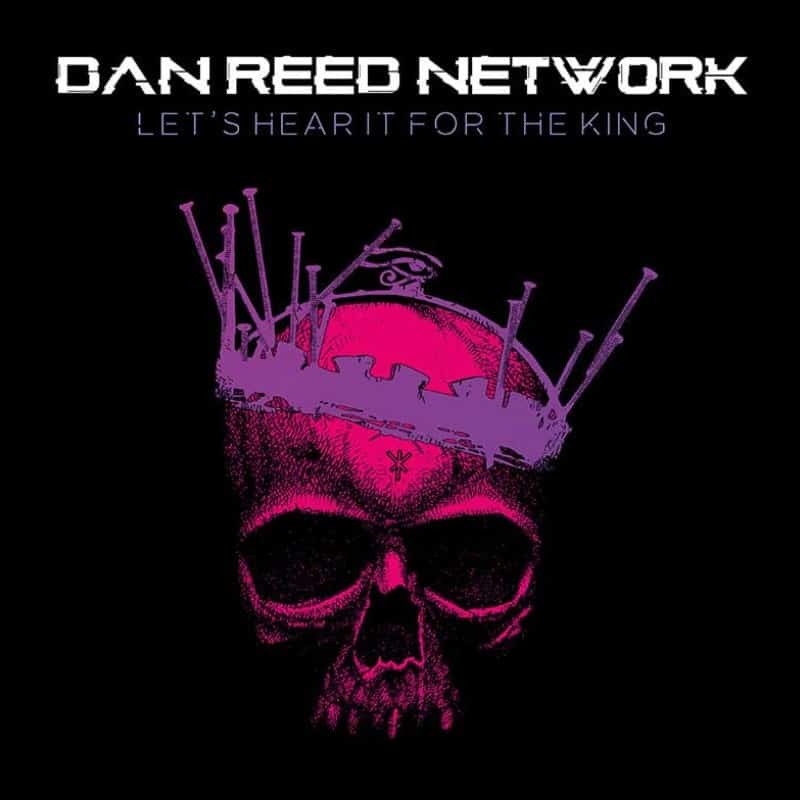
MM: I thought that your album Let’s Hear It for the King sounded a lot more like modern rock, especially in terms of the guitars. Was that a conscious change of style?
DR: Yeah, I think so. Brion and I really got into Muse and that kind of stuff later in years. We like that kind of dronal stuff. We thought we’d go more power rock with some of that stuff. Modern power rock, you’re right. And the new DRN album is even more of that.
MM: Really?
DR: I think DRN’s getting darker. And Shogun Mojo has taken over that place where DRN used to be the fun, funk rock thing. With DRN, we always want to change. We don’t ever want to make the same record again. And that was part of our downfall, in a way–no one could ever pigeonhole us. And I think people like pigeonholing their bands, you know?
MM: Some bands do an album that I think is their best album, and everybody else hates it because it’s different.
DR: Different. Yeah, yeah. I think as an artist, you don’t want to paint the same painting every day. Don’t you want to try to change and express yourself in different ways? It’s always gonna have a sound to it, because it’s the same musicians. The lyrics are gonna be similarly phrased and arrangements will be similar, but it’s always good to try a new groove. It gets boring if you don’t try.
MM: Yeah. But the thing I really can’t understand are the bands that don’t even make new music anymore. All they do is tour and they haven’t put out a record in 15 years.
DR: Yeah, that happens a lot, doesn’t it? Well, these Shogun interviews are the first real interviews I’ve done in years because I’ve been working on this film project, and working on this DRN album, and making music videos for friends. And I’m raising my son; he’s 14 now. And covid showed me how much I was missing out on being gone on the road all the time. I was playing all the time. Every weekend, 11 months of the year, his first six years of life. Then covid came. And it was like, oh, okay, I need to really be home more for him. So I started painting. I don’t know if you know about that, but I paint.
MM: No, I wasn’t aware of that.
DR: I sell paintings. That’s been a really good support for sustaining life without being gone all the time.
MM: Is there a certain style of painting that you tend to do?
DR: I started off real abstract because I didn’t have any skills. But, as a songwriter, I think I have strong vision of composition and color. But I didn’t have the brushstrokes and the techniques. I just studied for a couple years, learning more and more, and studying old painters, and now I started doing what I call sci-fi abstract. It’s like a vision of something, like a city, or a person in a small boat with a paddle oar and there’s a giant future city in the distance and they’re all by themselves in the ocean. I call that sci-fi abstract.
MM: Let’s Hear It for the King reached number 4 on the UK rock and metal chart. After all these years, does seeing a result like that still feel meaningful to you, or do you not pay attention to the charts?
DR: To be honest, this is the first I heard of that.
MM: Really?
DR: Yeah.
MM: When I was doing research, I read an article that said that it had been number 4 on the UK rock and metal chart.
DR: Wow. That’s cool. It’s good to hear. I know Planet Rock played one of the songs quite a bit. I guess that probably helped a lot. It was right when we couldn’t tour. We released the record during the covid years. We thought everything was going to be–what was it, masked for two weeks to stop the spread?–and that turned into a year and a half. By the time it was over and we could start touring again, we were already writing new songs for the next record.
MM: So you were productive during the pandemic then?
DR: Yeah, a lot. A lot.
MM: Now, from from what I understand, your biggest fan base is probably in Europe, right?
DR: I’d say the UK, Scandinavia, and a bit in Germany. That would be our biggest audiences. We have followings in Spain and France and Italy. Because the way radio is set up in all these countries–I don’t know if it’s still the same now, but how it was then–when our first single came out, they would play everything on the same station. They had Radio Ones, they called them, for each country. Radio 1 would play a Van Halen song next to a Donna Summer song next to an Iron Maiden song, you know what I mean? They would all be on the same station so the audience just grew up listening to everything. So The Dan Reed Network worked for them. We were funky and rocky, and we had some nice ballads and stuff. Our audiences were just bigger over here, whereas in the States, you would have to get on the pop station or the rock station or the R&B station. And DRN fell through the cracks on most of those. We were either too funky or too rocky or whatever.
MM: Have you ever thought about moving to Europe?
DR: Well, that’s where I live now. That’s why this call is so early for you; I guess late for me. Where are you from? Where are you at?
MM: I’m from the Boston area in Massachusetts in the U.S.
DR: Oh, Boston. One of my best friends, Heath Berkowitz, runs Boston Guitars in Boston. He sells to a lot of big rock stars. But I’m in Prague. I’ve been living in Prague the last 16 years. Before that I was in Paris for a few years and then I lived in Jerusalem for three years and then a year and a half before that I was in northern India. So it’s been 20 some odd years away. But I go back every year either to play shows or to visit friends. My mother and father have passed away. I’m an only child, so I don’t have brothers and sisters living in the States to go visit. No nieces or nephews, that kind of stuff. So this is my family here in Prague, and this will be home from now on.
MM: Oh, that’s awesome. Earlier today, I interviewed Danny Vaughn from the band Tyketto, and he lives in Spain. He’s been in Spain about as long as you’ve been there.
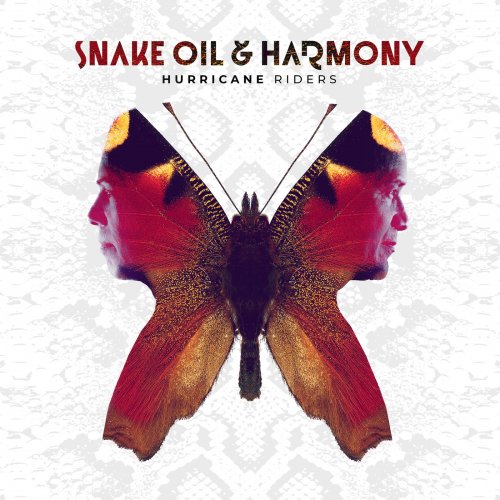
DR: Yeah, well, you know, we did a record together called…? What is the name of the album? Snake Oil and Harmony!
MM: Really?
DR: Yeah, check it out. Snake Oil and Harmony. Danny and I co-wrote the whole album and recorded all of the album with the same drummer and bass player from Shogun Mojo.
MM: Oh, that’s so cool. I didn’t know that. That’s just so funny that I interview you both on the same day, and I didn’t realize that.
DR: Yeah, that’s wild. He’s doing good with Tyketto again.
MM: You worked with Nile Rodgers on Slam. What was working with him like?
DR: Nile’s a real song and energy guy. He doesn’t care about perfection. He wants to have something have a soul to it. Whatever the performance is. Whether it’s a vocal performance, drum performance, guitar performance–Nile is real focused on that. And he’s all about emotion. That’s what I like about him the most. He works with great engineers, but he really wants the musicians to feel free to do whatever they want because he trusts them, whereas some other producers will impose their view. So Nile didn’t talk about changing lyrics much. He trusted that the guy who’s singing it, but he was really strong on making sure everything felt kind of funky and groovy. I think it’s amazing for a producer to focus on that side.
MM: Who are some of the other producers you’ve worked with?
DR: Well, the ones that I’m talking crap about, I’m not gonna tell you, but I’ll tell you the good ones. One is Mike Fraser. Mike Fraser and Bruce Fairbairn. Up in Little Mountain Sound, where Bon Jovi recorded, and Aerosmith, who we were talking about earlier. Permanent Vacation was done there with Bruce Fairbairn at the helm. And Mike Fraser used to work for Bob Rock as the assistant engineer, and then Mike became a producer and engineer in his own right, just as big as Bob.
The thing I loved about working with those guys was that we played literally like a band. I’m singing live vocals with the band’s drum arrangement. But the only way you could really do that properly is to be rehearsed. We didn’t rehearse at all in a studio with Nile. We just went in and recorded. But with Bruce, it was two weeks set up in a theater with chairs and everything–with no audience–just sitting up on stage. Eating lunch there, maybe going for lunch break at the Chinese restaurant across the street, that kind of thing. And coming back, woodshedding for 8 hours a day, five days a week for two weeks. And then you get in the studio and all the kick drum patterns, hi hat patterns, the bass riffs, everything’s been worked out in that theater. It’s such a great idea. When you’re in the studio working out, you know, that the kick drum pattern doesn’t really work, all of a sudden you’re two hours later at 200 bucks a pop.
MM: So rehearsing pays off.
DR: We still don’t do it much because we don’t have the time to get everybody in the spaces and stuff. But if I ever had a proper budget to record with the Network again or with Shogun even, I would love to do that. Just get in and rehearse for at least a week. And then go in the studio. And I think the record will show that you did that.
MM: I think records where people do that tend to end up having more energy.
DR: Yeah, well, The Heat and our first album have that kind of energy. I don’t think Slam has that same energy, although Slam has its other thing to it that I think is very special. But The Heat and our first DRN album were all recorded up in Vancouver, Canada, with those rehearsals and it worked out.
MM: Now, if someone has never heard your music before, what would be the three albums you’d tell them to check out first?
DR: Never heard music before?
MM: Yeah, someone’s brand new.
DR: Oh, that’s crazy. Toys in the Attic by Aerosmith. God, it’s so hard to pick. Purple Rain by Prince. And then… God, I don’t know which. Mother’s Finest. I would say the greatest hits by Mother’s Finest. Because every album has different tracks and I can’t pick one album. But that would be it.
[Editor’s note: I was asking Dan what three albums he’s made he would recommend people new to his music to listen to first. He thought I was asking which three albums by other artists he would recommend to people who’ve never heard any music. First he was confused then I was confused. Bear with us!]
MM: Now, what are the three albums that you’ve made that you should check out if people haven’t heard of you?
DR: Well, the first DRN album. I think that’s a great one to kind of get the roots of where we were at. My first solo album called Coming Up for Air. That’s a really strong album to listen to and… this Shogun album. I think that’s kind of full circle; everything would be covered. If you listen to those three albums, you’ll get the full view of the journey.
MM: Sure. At the end of my interviews, I usually ask a few random questions. Do you have time for that?
DR: Of course.
MM: Which streaming services do you use the most?
DR: Zero.
MM: Not even, like, TV or anything.
DR: Oh, yeah, I watch some Netflix series and HBO series, stuff like that. I. For music streaming, I listen to YouTube music if I’m playing an album. I don’t do Spotify–even though our stuff’s on Spotify. I think they’re grossly unfair to the artists. I don’t pay for the app on my phone and listen to that app because of that. I hope they start taking care of artists better. I’m not anti-Spotify… You know, pay the artists more, billionaires.
MM: Yeah, and they don’t even really explain how they come up with how they pay people. You know, they give these half-baked explanations that don’t make sense.
DR: Yeah, on purpose. It’s subterfuge, you know? You’re not supposed to be able to figure it out.
MM: Do you find that you get a lot of new fans from people discovering you on streaming services?
DR: I don’t know. The only social media stuff I post is stuff that I’m going to be doing or releases that are coming out. Or my paintings. This is where my social media content is these days. And the dystopian feature film we’re working on called Gorilla, which we’re going to shoot next year. I post about that stuff.
I used to do a lot of politics. What happened is is that you get these threads. People are arguing. Debating. Questioning. And it’s all cool and I like it all, but I feel terribly guilty for not responding to everybody. You get in arguments with people. That’s a fucking crazy circle of time. Sorry for swearing. It’s just a time killer. My favorite actor is Daniel Day-Lewis. Because you don’t know anything about him. You just know he’s a great actor. He lives in the roles and you love him for his craft, his art. And the older I get, the more I want to be appreciated as a musician and filmmaker and painter. If I’m doing good work, and you appreciate it, then that’s my goal. And, as a father, especially, that’s the main thing at the end of the day, now.
MM: What are your all time favorite movies and TV shows?
DR: Whew, that’s a tough one. I’d say The Sopranos is right up there. Better Call Saul really kind of outdid Breaking Bad a little bit. And I love Breaking Bad. Star Trek, of course, early Star Trek. I like Next Generation. Voyager, even. I like all that stuff. Adore the early Star Wars films. That’s amazing work to me. And even the new one, what was it, Rogue One? I thought that was really good.
But my favorite films ever would be Apocalypse Now or Blade Runner. Blade Runner’s maybe my favorite film overall, but Apocalypse Now is just a dark journey of the soul. And Coppola suffered for it and so did Martin Sheen. And so did Harvey Keitel that got fired. He was supposed to play that role. Then Stanley Kubrick’s got some winners in there big time. Full Metal Jacket is just awesome. It’s like two movies connected in the middle. 2001: A Space Odyssey, I love, but I also love romantic films. I mean, I like Somewhere in Time with Jane Seymour and Christopher Reeve; I always shed a tear in that movie. Field of Dreams with Kevin Costner, the baseball film, when he plays catch with his dad at the end of the film, I always shed a tear there. So those are some of my favorites.
MM: Do you have any favorite books?
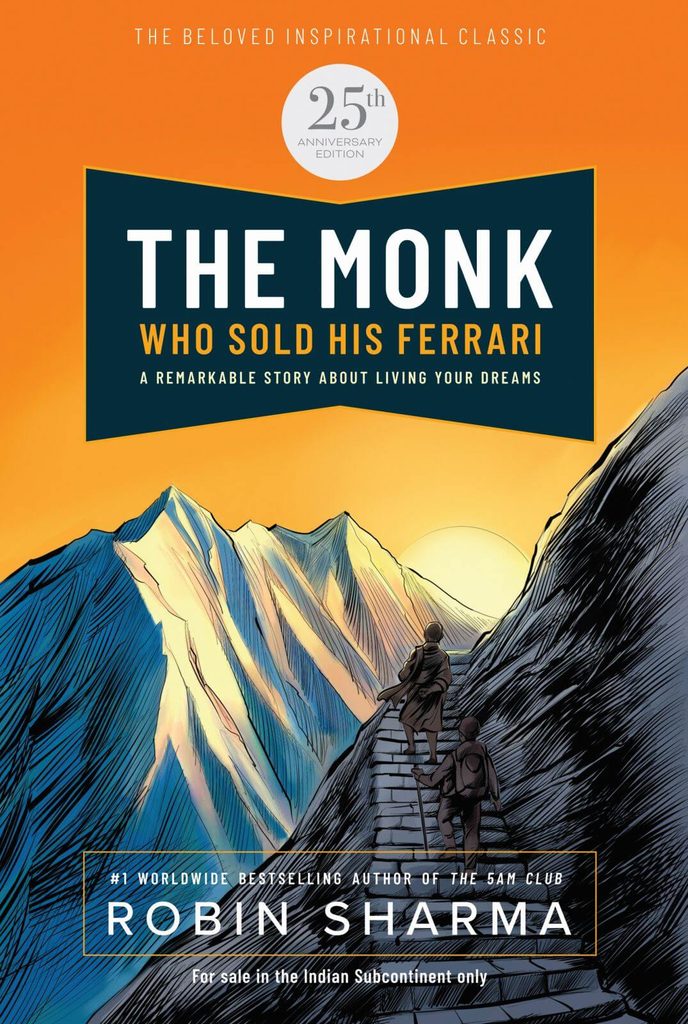
DR: Yeah, there’s a book called… I want to make sure I get the title right. It’s a, it’s a book about Buddhism… The Dharma. It’s about the Dharma. I can’t remember. It’s a weird name. It’s not The Monk Who Sold His Ferrari, that’s a really good book. I love The Celestine Prophecy. I think that’s a really great spiritual book, for lack of a better term. It makes you really look in the mirror at yourself. I love George Orwell’s books. I loved, of course, 1984. I love Animal Farm. That’s a great book. It’s a book I made my son read first.
MM: Yeah, that’s a classic.
DR: I also like the great science fiction writer Philip K. Dick. I like a lot of his works. He’s got a lot of great short stories. I’ve been getting into Kevin J. Anderson, who writes a lot of Dune books and Star Wars books. I love the whole Dune series. I love the new movies. I love the first film. Lynch. I thought it was fantastic. Yeah, those are some of the books… I’ve read so many religious books: the Quran and the Bible, the Torah. Those are amazing.
MM: Is there a particular religion that you’ve settled on, or do you just kind of embrace different aspects of different ones?
DR: Well, I think Islam, Judaism, and Christianity all stem from Abraham, right? They call him Ibrahim in Islam, and the Jews call him Avram. But it’s the same dude. All three religions have the same roots. So I look at that as kind of one faith, in a way, just told in different ways.
And then I look at Hinduism, Buddhism, Taoism, Shintoism. There are so many different meditative religions, I call them, where you ground and center yourself, and there’s not necessarily a heaven and hell. It’s more about your spirit, where you’re sitting mentally and spiritually with yourself. I like a lot of that as well, but I find references in the Torah to that same kind of energy.
Jesus was a monk, in a way. And loving your enemy–Buddha was around 400 or 500 years before Jesus, and Buddha was talking about that. He didn’t say, “Love your enemy.” He said, “Only through standing in the shoes of your enemy can you see yourself clearly.” Whether it’s a compromise or an understanding of each other.
Gandhi said it best: “An eye for an eye eventually makes the whole world go blind.” And I’ve always thought that to be true. There was another Gandhi quote. He said something about, “We are not God, but we are of God, as one drop of water is of the ocean.” And I always thought that made so much sense to me.
Buddhism and that kind of thinking say that that lives inside of you, whereas other religions say God is out there, outside of us, right? But what if everything together–whether it’s plant life, stars, planets, humans, or animals–is all one little drop of water of what we were calling God, energy and the physical world? It’s interesting.
Special thanks to Dan Reed for taking the time to speak with us and to Jon Freeman for setting it up!
Leave a Reply